Dinks and Drinks: Pickleball's Topgolf Era Has Arrived
There’s a new pickleball facility in Austin that has a cocktail menu longer than its court reservation list. The lighting is moody. The music is curated. There’s a photo wall where you can pose with an oversized foam paddle and post to your story. And yes, somewhere behind all that, there are actual pickleball courts.
Welcome to the Topgolf-ification of pickleball — and whether you love it or hate it, it’s coming to a strip mall near you.
From Rec Center to Nightclub
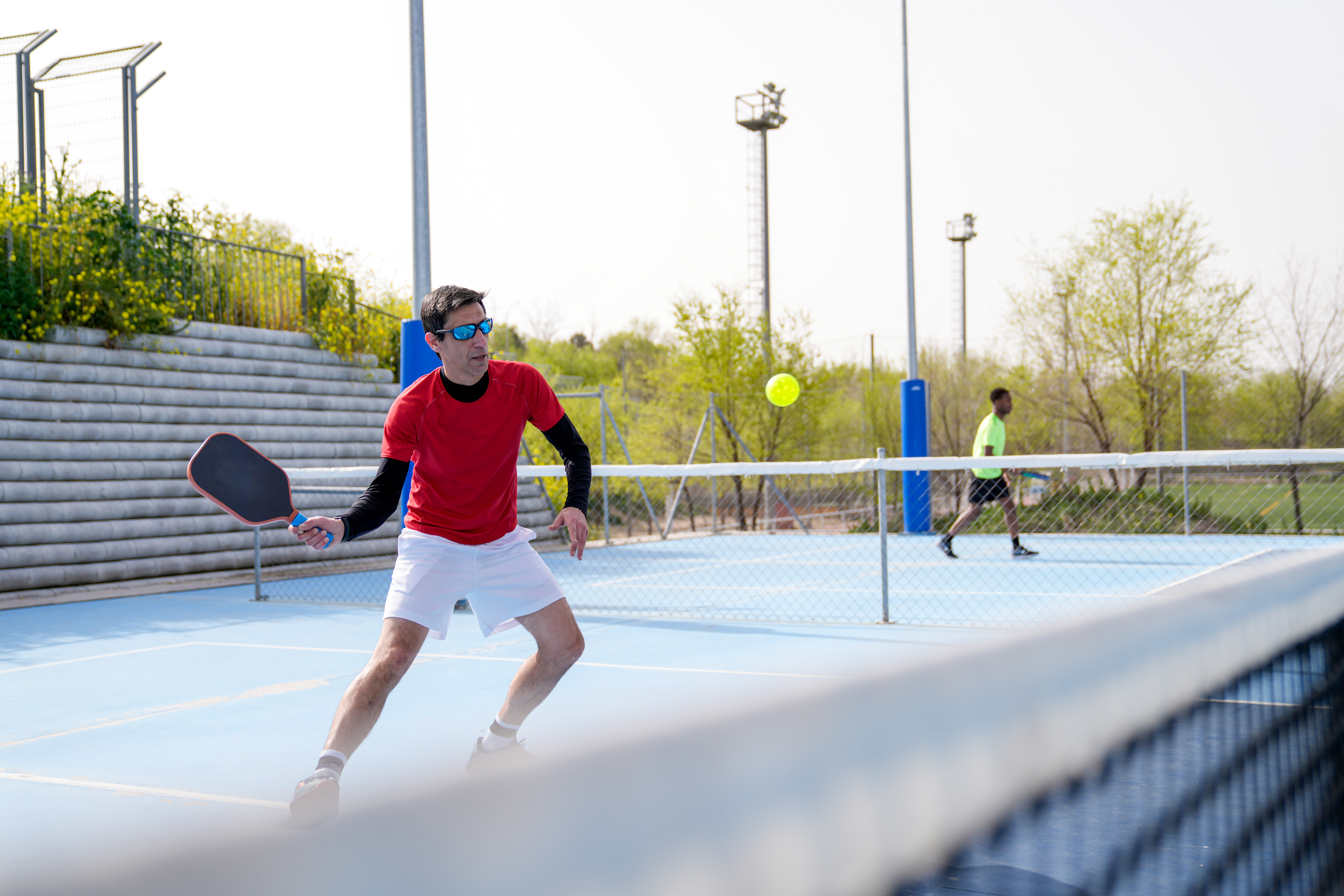
For most of pickleball’s history, courts have lived in borrowed spaces. Tennis courts with taped lines. Church gyms with portable nets. Community rec centers where the average player age and the thermostat setting were locked in a dead heat.
That era isn’t over — 3.5 rec ball at the YMCA will outlive us all — but it’s no longer the only version of pickleball. A wave of dedicated pickleball venues has exploded across the country, and they look nothing like the courts your uncle plays on in Sun City.
We’re talking 20,000+ square feet of indoor courts with premium surfaces, restaurant-quality food programs, full bars, league nights with playoff brackets, and social programming designed to make pickleball feel less like exercise and more like… going out. Chicken N Pickle, The Picklr, Dink Social, Electric Pickle — the names alone tell you what vibe they’re selling.
By 2026, the U.S. has surpassed 20,000 courts, and a significant chunk of the new builds are these hybrid social-sport clubs. Developers and entrepreneurs are pouring money into multi-court indoor complexes that look more like WeWork crossed with a bowling alley than anything you’d find at a public park.
Why This Is Happening Now
Three forces are colliding to make pickleball clubs inevitable:
1. The demographic shift is real. The average pickleball player is now 35 years old, down from 38 in 2021. Gen Z and millennials aren’t showing up for senior mixed doubles — they’re showing up because their friend’s Instagram story made it look fun. These players want a social experience first and a sport second. They’ll pay $40 for a court reservation if the vibes are right.
2. The Topgolf blueprint works. Topgolf proved that you could take a niche sport (driving range golf), wrap it in food, drinks, and entertainment, and create a billion-dollar business that attracted people who’d never set foot on a golf course. Pickleball is an even better candidate: it’s easier to learn, more social by default (doubles is the standard format), and the court footprint is tiny compared to golf.
3. Real estate economics love pickleball. You can fit four pickleball courts in the space of one tennis court. A 15,000-square-foot retail box — the kind that’s been sitting empty since Bed Bath & Beyond closed — can hold 6-8 courts plus a bar and lounge. For commercial landlords desperate to fill vacancies, pickleball clubs are the new fitness studios.
What These Clubs Actually Look Like
If you haven’t been to one yet, here’s the general formula:
- Courts: 6-12 indoor courts with sport-specific surfaces, proper lighting, and glass viewing walls so your non-playing friends can watch (or, more realistically, ignore you while drinking a margarita)
- Food & Beverage: Not vending machines — actual restaurants. Craft cocktails, local beer on tap, acai bowls, smash burgers. The margins on $14 spicy margaritas are doing a lot of heavy lifting in these business models.
- Leagues & Programming: Drop-in play, round robins, skill clinics, corporate events, birthday parties, date nights. Some clubs run 6-week leagues with playoff brackets and champion t-shirts.
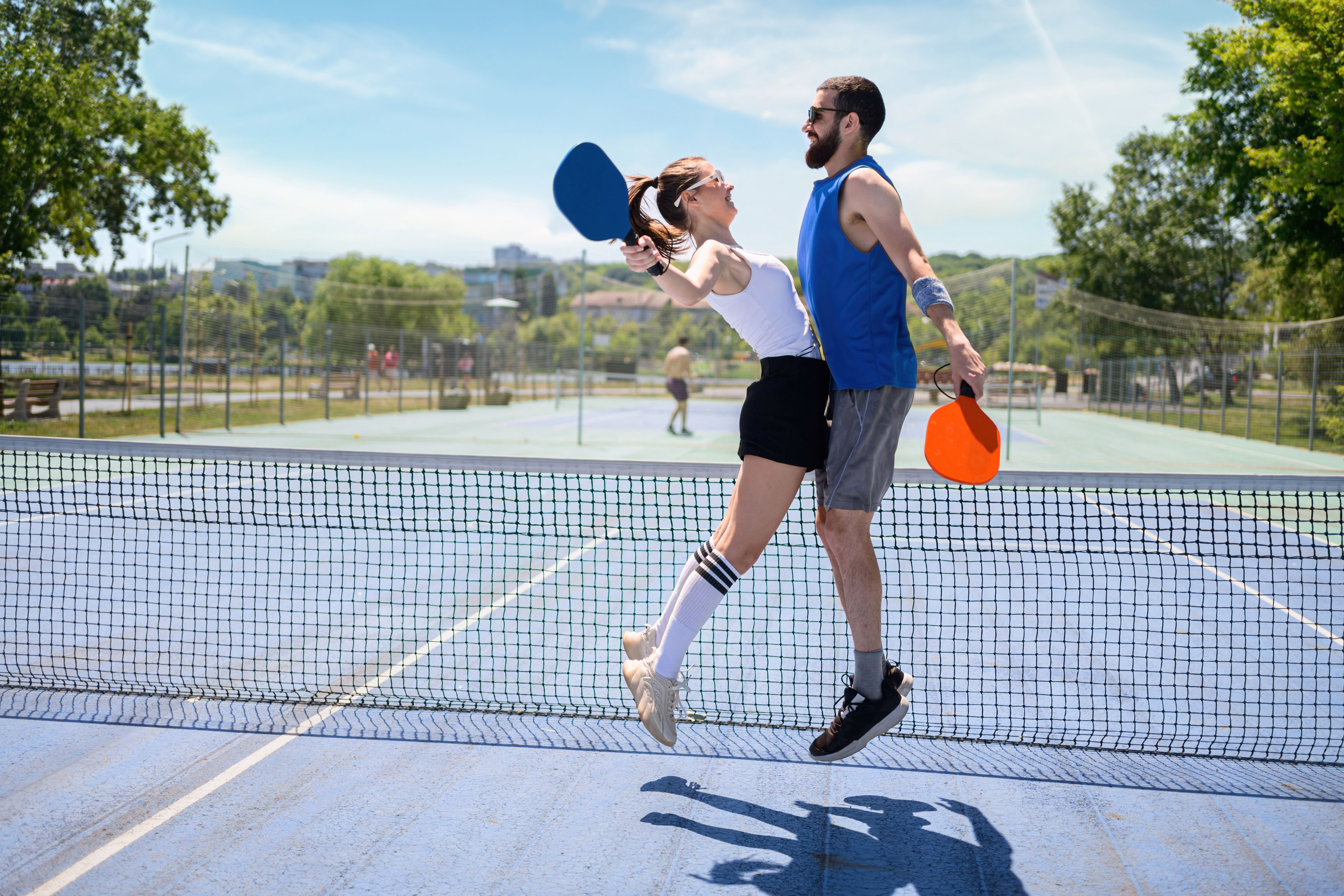
- The Scene: Curated playlists, Instagram-friendly aesthetics, merch walls, member lounges. Some venues have DJs on weekend nights. Yes, DJs. At a pickleball club.
The best ones genuinely nail the balance. You can show up solo for competitive open play at 7 AM, and the same building transforms into a social scene by 8 PM. It’s pickleball’s version of the bowling alley evolution — remember when bowling was just bowling, and then suddenly it was cosmic bowling with blacklights and bottle service?
The Case For: This Is How Sports Grow
Here’s the thing the purists don’t want to hear: this is how every sport scales.
Golf had country clubs. Tennis had private clubs with dining rooms and dress codes. Even bowling — bowling — went through a lifestyle rebrand. Pickleball is just following the playbook, and it’s working. An estimated 36.5 million Americans have played pickleball at least once. One in ten people. You don’t get to those numbers by relying on cracked public courts and hand-drawn bracket sheets.
The social club model is a gateway drug. Someone goes to Electric Pickle for a birthday party, picks up a paddle for the first time while slightly buzzed, discovers they’re actually having fun, and three months later they’re watching PPA Tour replays on YouTube and arguing about paddle delamination on Reddit. We’ve all seen it happen.
These venues also solve real problems. Court availability is the number one complaint in pickleball. Public courts are overcrowded, outdoor play is weather-dependent, and the tennis-to-pickleball conversion wars have turned ugly in some communities. Purpose-built indoor clubs bypass all of that.
The Case Against: Are We Losing Something?
Not everyone’s thrilled. And the concerns aren’t just grumpy traditionalism — some of them are legitimate.
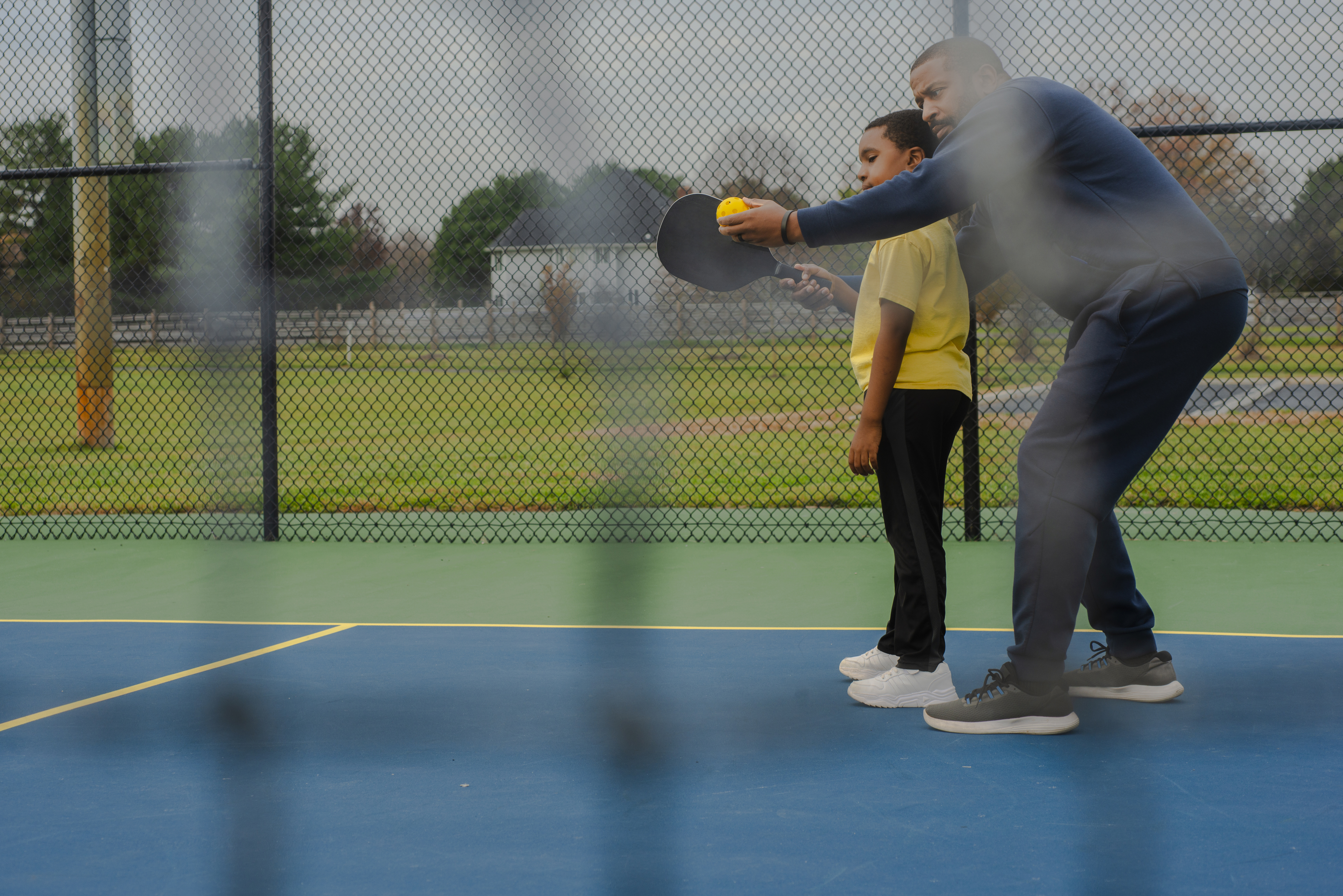
Cost barriers. Pickleball’s origin story is accessibility. Two paddles and a ball, find a public court, you’re playing. When the “best” pickleball experience costs $30-50 per session plus overpriced food, you’re creating a two-tier sport. The people who built pickleball culture at community courts aren’t necessarily the ones who can afford a monthly club membership.
Skill dilution. Social clubs optimize for fun, not improvement. That’s fine — fun is good — but the vibe-first model can create environments where serious practice feels out of place. Try running drilling patterns on a court surrounded by bachelorette parties.
The authenticity question. There’s something beautiful about the scrappy, community-driven version of pickleball. The retired teacher who runs round robins in the park. The WhatsApp group chat that coordinates Tuesday morning play. The potluck after the club tournament. When pickleball becomes a branded entertainment product, some of that grassroots magic gets polished away.
The Middle Ground (Where Most of Us Actually Live)
Here’s my honest take: pickleball is big enough for both.
The social club boom doesn’t kill rec center pickleball any more than Topgolf killed municipal golf courses. They serve different audiences with different needs. Your Saturday morning crew at the public courts isn’t going anywhere. And the 25-year-old who discovers pickleball at a social club might eventually migrate to competitive play, join a local league, get a DUPR rating, and become the most dedicated player at the community courts.
The real risk isn’t that social clubs ruin pickleball — it’s that cities and communities stop investing in public courts because they assume the private market will handle demand. That’s where advocacy matters. Every dollar that goes into a commercial pickleball club should be matched by attention to public court access.
What This Means for You
If you haven’t checked out a dedicated pickleball club in your area, it’s worth a visit. Even if you’re a die-hard public court player, the quality of surfaces, lighting, and climate control at these facilities is genuinely great for your game. Many offer drop-in play at reasonable rates, and the league structures can be a good way to find consistent playing partners.
Just maybe skip the $16 paddle-shaped cocktail. Your game doesn’t need that kind of support.
The Topgolf era of pickleball is here. The courts are nicer, the drinks are stronger, and the Instagram content is relentless. Whether that’s exciting or exhausting probably says more about you than it does about the sport. Either way, pickleball keeps winning — and honestly, isn’t that what matters?
Now if you’ll excuse me, I have a 7 AM court reservation at a place that also serves espresso martinis. Don’t judge me. The lighting in there makes my backhand look incredible.