The US Open Turns 10: How a Parking Lot in Naples Became Pickleball's Mecca
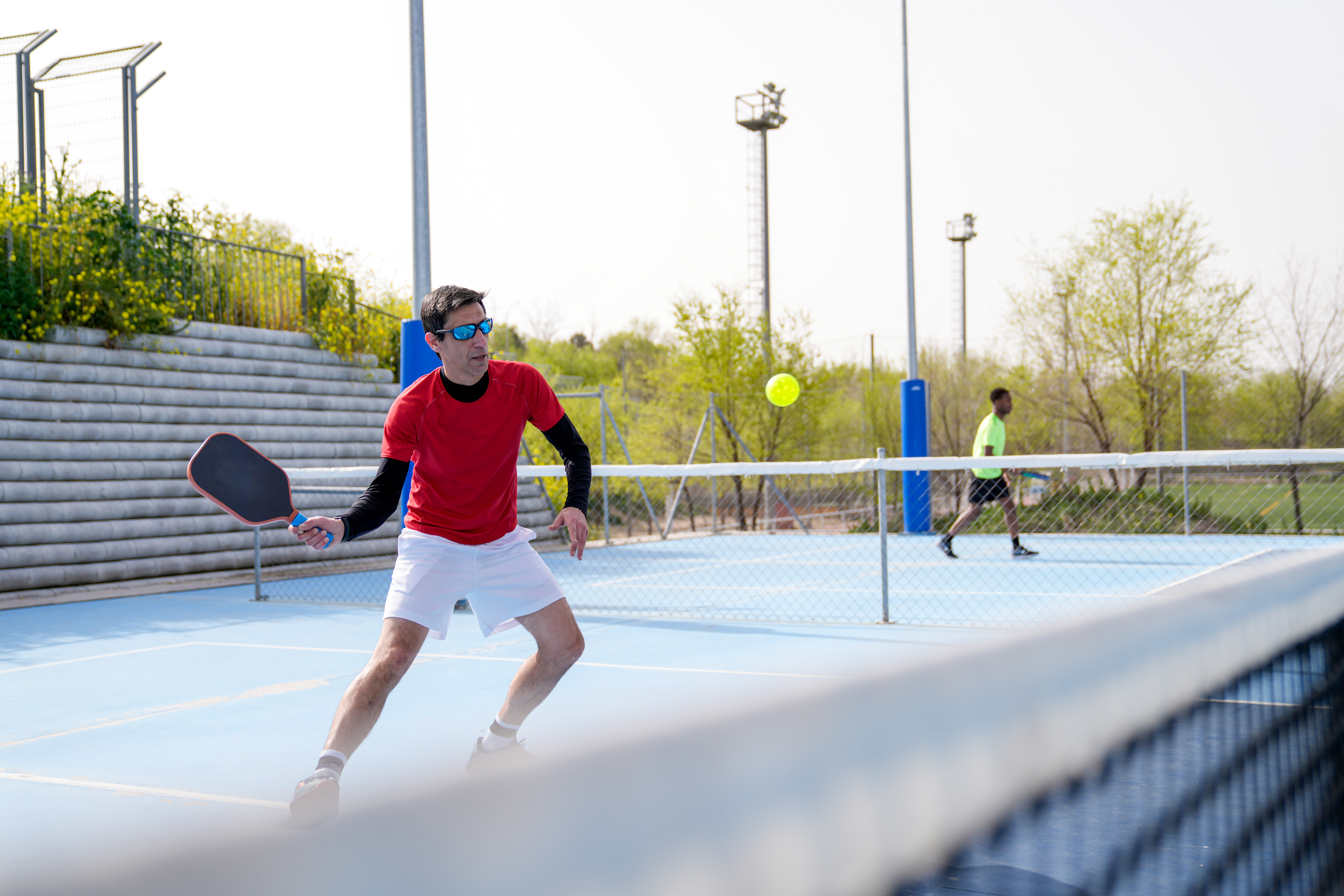
In five days, somewhere north of 3,400 players from 40-plus countries will descend on a sprawling complex in East Naples, Florida, to do what they love most: hit a whiffle ball over a 34-inch net and argue about whether it was in or out. The Franklin US Open Pickleball Championships runs April 11–18, and this year marks a milestone that would have sounded absolutely delusional a decade ago — the tournament’s 10th anniversary.
Ten years. From a niche event that most sports fans had never heard of to a week-long spectacle drawing 55,000 spectators, free admission across 59 courts, and a Championship Court atmosphere that rivals mid-tier ATP events. If you want to understand how pickleball went from “that game my uncle plays” to a legitimate professional sport, the US Open’s origin story is the cheat code.
From Community Park to Pickleball Campus
East Naples Community Park was not, by any stretch, designed to host an international sporting event. It was a public park with some courts. But when the US Open first set up shop there, something clicked — the casual, come-as-you-are energy of the venue matched the sport’s DNA in a way that a gleaming stadium never could.
Over the years, the park has transformed into the USOP National Pickleball Center, one of the largest dedicated pickleball facilities on Earth. During tournament week, the grounds morph into a full campus: roughly 60 courts radiating outward from the Zing Zang Championship Court, surrounded by vendor villages, food trucks, sponsor activations, live music, and enough pickleball merch to fill a warehouse.
It’s part sporting event, part music festival, part family reunion for people whose family happens to be defined by a shared obsession with kitchen line footwork.
Why the 10th Anniversary Actually Matters
Anniversary milestones are usually just marketing fluff. This one isn’t. The US Open’s ten-year arc is basically a time-lapse of pickleball’s entire growth story:
Year 1 (2016): A passionate but small community event. Most participants drove in from Florida or snowbird states. Prize money was modest. Media coverage was essentially zero.
Years 3–5: The talent pool deepened dramatically. Players who would become household names in the sport — Ben Johns, Anna Leigh Waters, Tyson McGuffin — started treating the US Open as a must-win on the calendar. The event outgrew its original footprint and started expanding courts.
Years 6–8: Corporate sponsors arrived. Franklin Sports locked in as title sponsor. The spectator count crossed into five figures. Suddenly there were VIP packages, streaming deals, and conversations about whether this thing could fill an arena.
Year 10 (2026): Over 3,450 athletes from 40+ countries. A week-long schedule spanning amateur brackets (2.5 all the way up to 5.0+), pro divisions, and mixed events. Free general admission that makes it one of the most accessible major sporting events in the country.
That trajectory — from community tournament to international championship in a decade — doesn’t happen in other sports. It took the ATP decades to build its tour structure. The PGA Tour has been around since 1929. Pickleball compressed a century of sports infrastructure development into ten years, and the US Open was the proving ground.
What to Watch This Year
If you’re following along from home (or lucky enough to be heading to Naples), here’s where to focus your attention:
The Anna Leigh Waters Factor
World No. 1 Anna Leigh Waters is confirmed for the event, and at this point her dominance in singles is approaching statistical absurdity. The question isn’t whether she’ll win — it’s whether anyone can take a game off her in a way that suggests the gap is closing. Watch the early rounds for players who can sustain rallies past 10 shots against her. That’s the real metric.
The Amateur Brackets Are the Soul of the Event
Here’s something the pros would probably agree with: the heart of the US Open isn’t the Championship Court. It’s the dozens of amateur brackets running simultaneously across all those other courts. 3.0 players grinding out three-game matches at 9 AM. Senior mixed doubles teams who’ve been playing together for years finally getting their shot at a gold medal. First-time tournament players realizing that competitive pickleball is nothing like open play at the rec center.
If you attend in person, spend time watching the amateur courts. You’ll see more heart, more creative shot-making, and more post-match hugs than any pro final will deliver.
The Equipment Arms Race in Real Time
With 3,400+ players in one place, the US Open is basically a living paddle demo day. Pay attention to what the 4.5+ players are swinging. Gen-4 foam core paddles have been dominating the conversation, but the US Open is where you’ll see whether the hype translates to actual match play. Watch for the ratio of thermoformed unibody paddles to traditional honeycomb — it’ll tell you where the equipment market is heading for the rest of 2026.
The Naples Experience (For Those Making the Pilgrimage)
If you’re on the fence about going, here’s the practical breakdown:
Cost: General admission is free. Yes, free. Championship Court reserved seating and VIP packages cost extra, but you can watch world-class pickleball all week without spending a dime on tickets. That’s almost unheard of in professional sports.
When to go: The pro events stack toward the end of the week (Thursday–Saturday), but the middle of the week is arguably more fun for spectators. Fewer crowds, more access, and you can bounce between courts watching different skill levels and age groups.
What to bring: Sunscreen (it’s Naples in April — you will fry), a portable chair, water, and comfortable shoes. You’ll walk more than you think bouncing between courts. Leave the paddle at home unless you’re registered — this isn’t an open play situation.
The scene: Naples during US Open week is like a pickleball-themed alternate reality. Restaurant conversations are about third shot drops. Hotel lobbies are full of people in paddle brand gear. You’ll overhear strangers arguing about DUPR accuracy at the coffee shop. It’s glorious.
What It Means for the Rest of Us
You don’t have to attend the US Open or even watch the streams for the 10th anniversary to matter to your game. What this milestone represents is validation — the sport you’ve been obsessing over, the one your non-pickleball friends still make jokes about, has a decade-long track record of a world-class championship event.
More practically, the US Open’s growth has a trickle-down effect. More sponsors at the top means more investment in local facilities. More media coverage means more new players showing up to your Tuesday morning open play. More international participation means the talent pipeline keeps deepening, which means the strategy and technique at every level keeps evolving.
The US Open turning 10 isn’t just a birthday party for a tournament. It’s proof that this weird, wonderful, infuriatingly addictive sport isn’t a fad. It’s infrastructure. It’s culture. It’s here to stay.
How to Follow Along
If you can’t make it to Naples, Pickleball TV will have streaming coverage throughout the week. Follow the US Open’s official channels for schedules and brackets. And if you want the full experience from your living room, grab your paddle, set up a lawn chair in front of the TV, and argue with the line calls just like you would in person.
Happy 10th, US Open. Here’s to ten more years of dinks, drives, and parking lot magic.