The Fourth Shot: The One Everybody Hits and Nobody Drills
There are roughly four million words on the internet about the third shot drop. There are approximately zero about the fourth shot. This is insane, because the fourth shot is the one you hit standing at the kitchen line, in a position of power, holding the entire point in your hands — and most rec players blow it so reliably you could set a watch by it.
Let’s fix the most ignored shot in the sport.
Whose Shot Is This, Anyway?
Quick refresher on the count, because the seating chart matters more than people realize:
- Shot 1: the serve (serving team)
- Shot 2: the return (returning team — who then sprints up to the kitchen)
- Shot 3: the drop or drive (serving team, trying to claw their way forward)
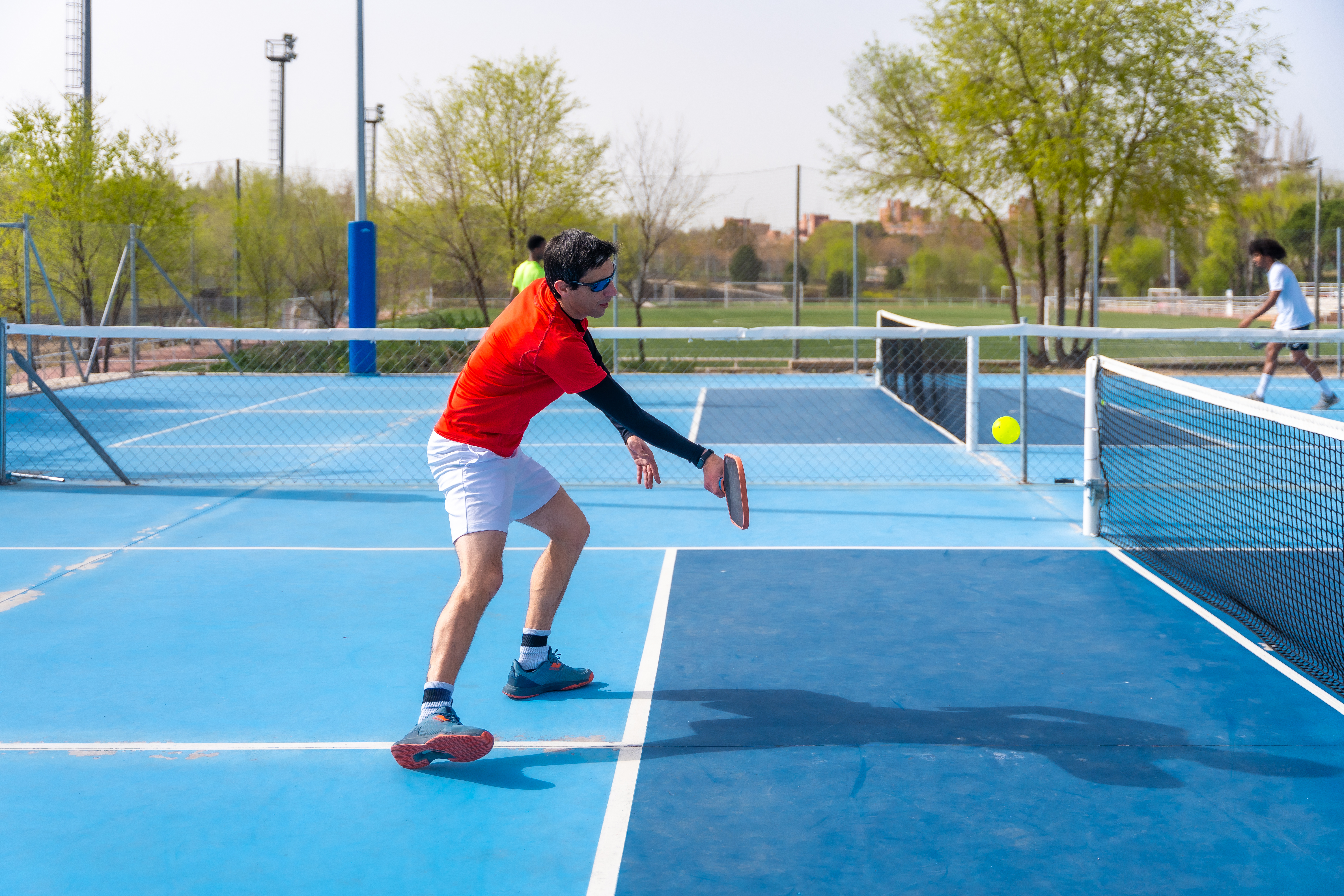
- Shot 4: your shot (returning team, already parked at the kitchen line)
Here’s the part nobody internalizes: if you returned serve, you have the positional advantage. You and your partner got to the kitchen first. The serving team is stuck back at the baseline, scrambling to hit a perfect third shot just to earn the right to walk up and join you. Pickleball is, structurally, a sport where the returning team starts the rally ahead.
The fourth shot is where you either press that advantage into a win — or politely hand it back like you’re returning a borrowed lawnmower.
The Cardinal Sin: The Polite Dink-Back
Watch a 3.0 game and you’ll see the same thing every single rally. The serving team floats up a mediocre third shot — chest-high, drifting, eminently smackable. And the returning player at the kitchen… lets it bounce. Then taps a soft, friendly little dink back into the kitchen. And then stands there, satisfied, while both opponents stroll up to the line completely unbothered.
Congratulations. You just took a free advantage and set it on fire. That cushy third shot was a gift, and you gift-wrapped it right back.
The number one rule of the fourth shot: if you can take it out of the air, take it out of the air. Every ball you let bounce is a ball that buys the serving team time to advance. Every ball you volley is a ball that keeps them pinned in no-man’s-land, off balance, and out of the kitchen. The whole game is a race to the line. Letting balls bounce is you stepping off the gas in a race you’re currently winning.
The Decision Tree (It’s Only Three Branches)
The fourth shot feels chaotic in real time, but it’s really just three questions answered in about a third of a second.
Branch 1: The third shot is high or deep — attack it
If their drop floats above net height or lands deep enough that you can step in and volley it, you punch it. Not a wind-up, not a hero swing — a compact, downward punch volley aimed at the feet of whoever is moving forward.
That last part is the secret. The player transitioning up through the mid-court is the most vulnerable human on the court — they’re moving, they’re low on options, and a ball at their shoelaces forces a desperate half-volley pop-up. Don’t aim for the open sideline and don’t try to end it with a winner. Aim at the feet of the person crashing the net. Make them hit the impossible shot, not you.
Branch 2: The third shot is a genuinely good drop — let it bounce, but dink with a purpose
Sometimes they actually execute and the ball dies low in your kitchen. Fine. You can’t volley a ball below net height without launching it, so let it bounce. But your dink is not a courtesy. A good fourth-shot dink does one of two jobs:
- Pushes them back. A dink that lands deep in their kitchen (right at the line) keeps them from leaning in and stops their forward momentum cold.
- Goes where they aren’t. Cross-court to the open hip, or right at the feet of the player still trying to get established.
What it is not is a soft floater to the middle of their kitchen at a comfortable height. That’s not a dink, that’s a tee-ball.
Branch 3: The third shot is a drive — block, then pounce
More rec players are driving the third shot now, especially with the faster ball the pros switched to and the power creep in modern paddles. If they drive at you, this is just a reset/block in disguise — soft hands, loose grip, absorb the pace, and float it back low. But here’s the upgrade: a third-shot drive that you block well almost always comes back as a weak fifth shot. So block it, then get ready, because the next ball is very likely the one you put away.
Aim at the Feet, Not the Highlight Reel
If you remember one thing, remember this: the fourth shot is not a winner. It’s a pressure shot.
The single most common way intermediate players butcher the fourth shot is by trying to end the point with it. You see a juicy ball, your lizard brain screams “PUT IT AWAY,” you go for the line, and you spray it wide or into the net. Now the advantage is gone and you didn’t even make them earn it.
The job of the fourth shot is humbler and far more effective: keep the serving team out of the kitchen and force them to hit another hard shot from a bad position. Aim at feet. Aim through the middle (the seam between two opponents causes glorious confusion about who takes it). Keep them back, keep them uncomfortable, and let the easy put-away come to you on shot six or eight. Patience here isn’t passive — it’s a slow squeeze.
The Drill: Crash and Deny
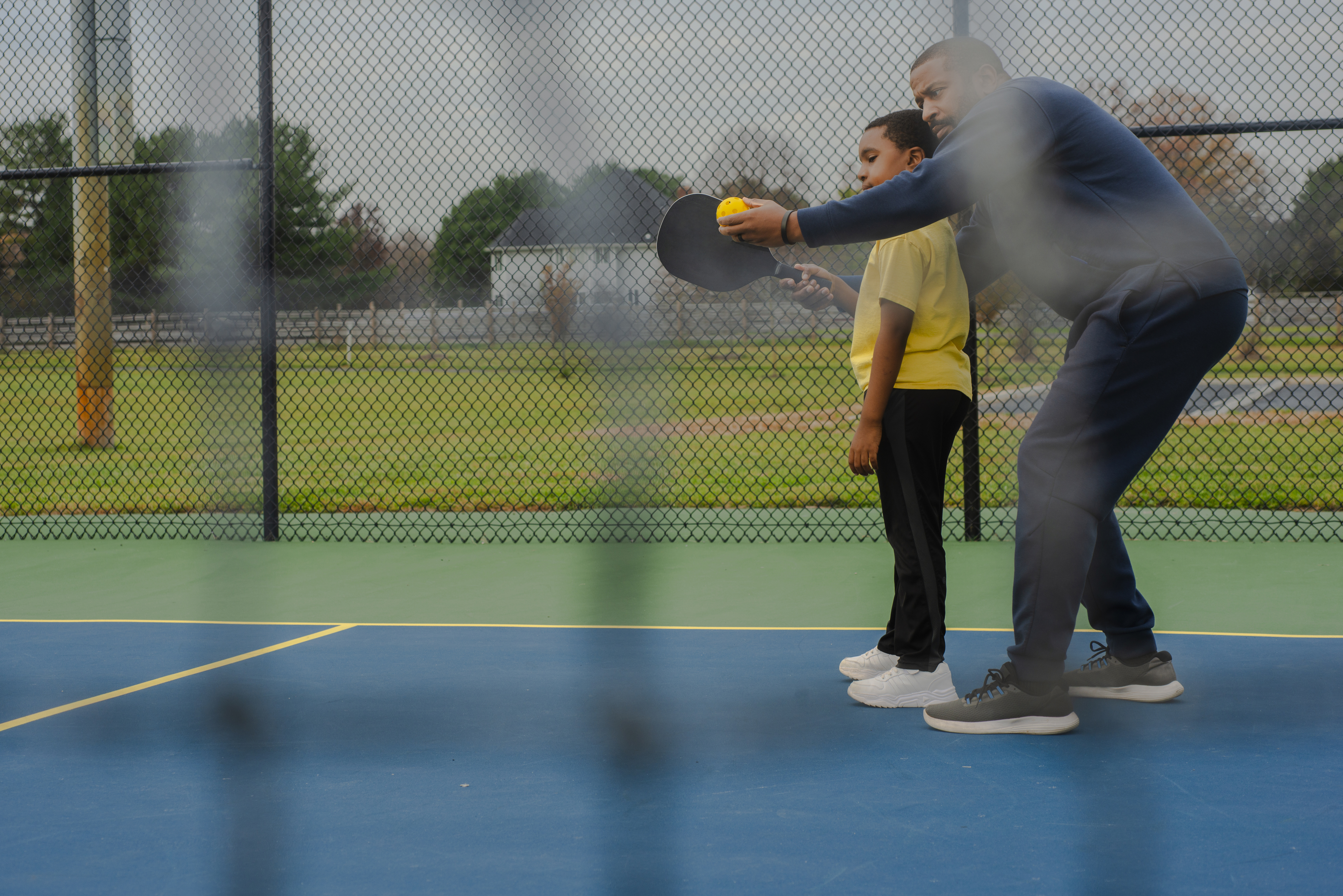
You need a partner and ten minutes.
Your partner starts at their baseline and feeds you third shots — a mix of soft drops, floaty mediocre ones, and the occasional drive. The catch: after every feed, they sprint forward toward their kitchen line. You stand at your kitchen line and your only job is to deny them.
- Floaty/high ball → punch volley at their feet as they advance.
- Good low drop → let it bounce, dink it deep to push them back.
- Drive → block soft and low.
Don’t keep score on winners. Keep score on whether they made it to the kitchen line comfortably. If they’re arriving at the net relaxed and balanced, you’re losing the drill no matter what the rally looks like. If they’re arriving lunging, off-balance, and hitting up off their shoelaces — you’ve got it.
Run 30 feeds. Switch. Then play games where you consciously narrate “fourth shot” in your head every time you’re the returning team. Naming it is half the battle, because right now you’re not even aware you’re hitting it.
The Real Payoff
The beautiful thing about getting good at the fourth shot is that it quietly wins you games against people who are technically better than you. They’ve got the flashy third shot drop. They’ve got the bang. But if you make every one of their third shots come back at their feet — if you refuse to let them stroll into the kitchen for free even once — you turn every single point into a grind they have to earn the hard way.
The third shot drop gets all the love because it’s the underdog’s shot, the comeback shot, the one that lets the team that’s behind claw level. The fourth shot is the opposite. It’s the shot for the team that’s ahead and intends to stay there.
You already won the race to the kitchen. Stop giving the lead back. Take it out of the air, put it on their feet, and make them work for every inch.