The Lob Serve Is Taking Over Pro Pickleball — Here's How to Steal It
For years, the conventional wisdom on pickleball serves was pretty simple: hit it deep, hit it hard, move on. The serve was a formality — a way to start the point, not win it. Unlike tennis, where aces and service winners define careers, pickleball’s underhand serve rule was supposed to keep things egalitarian.
Then Anna Leigh Waters started launching moonballs, and everything got weird.
What Even Is a Lob Serve?
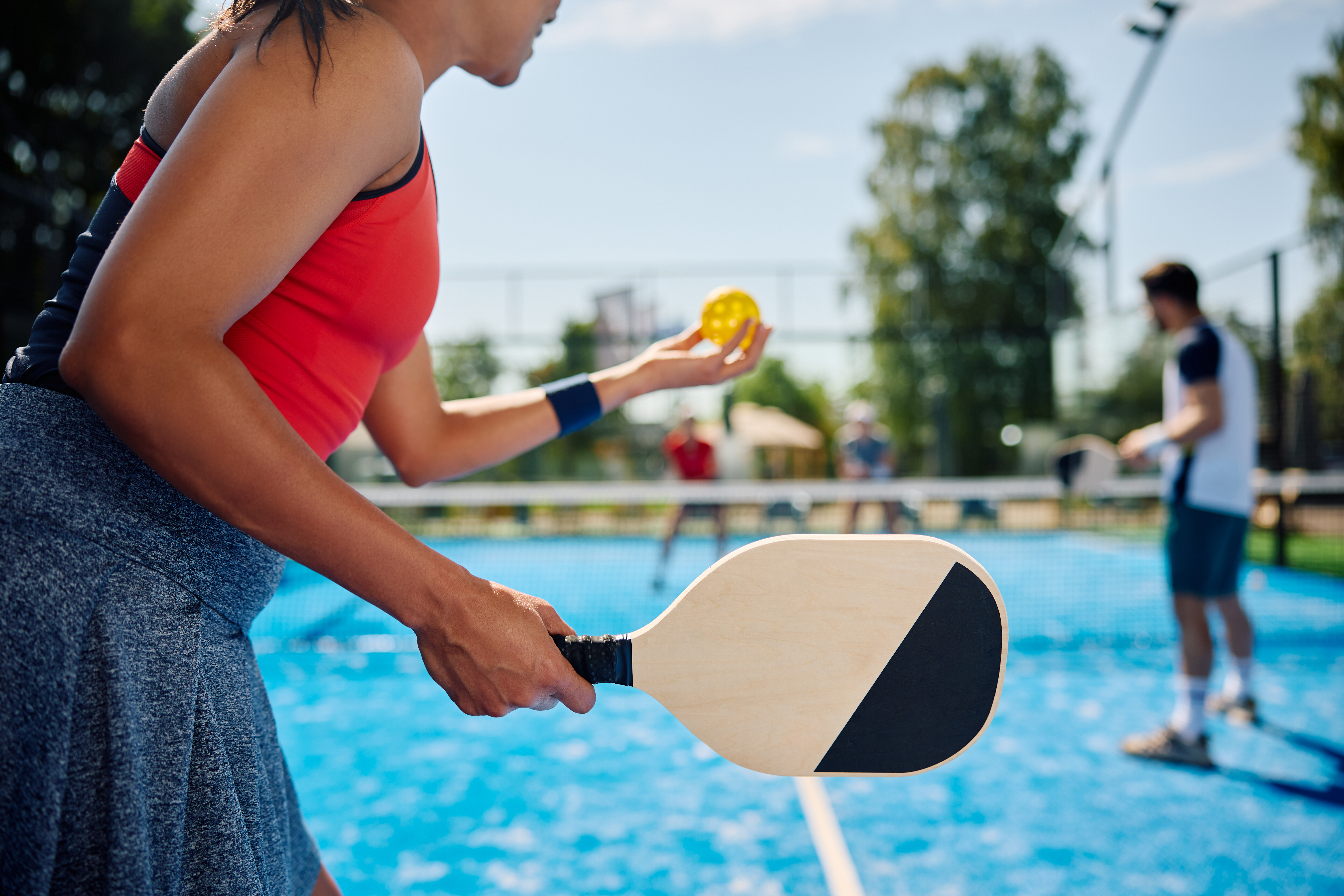
If you’ve watched PPA Tour broadcasts this season, you’ve seen it: a high-arcing serve that floats toward the ceiling (or the sky, if you’re outdoors) before dropping into the last two to three feet of the service box with heavy topspin. It looks lazy. It looks like something your Uncle Gary would hit after three margaritas at the resort court.
It is neither of those things.
The lob serve is a precision weapon disguised as a casual mistake. When executed correctly, the ball kicks up off the bounce — sometimes at shoulder height or above — and shoves the returner backward, pinning them near or behind the baseline. That’s the opposite of where they want to be. They need to return and rush the kitchen line, and instead they’re swinging from their back foot while their partner is already up at the net wondering what happened.
Why It Works (The Physics and the Mind Games)
The genius of the lob serve is that it attacks two things simultaneously: your opponent’s positioning and their timing.
The positioning problem. Most returners set up a step or two inside the baseline, anticipating a low, fast serve they can chip back and charge forward. A lob serve that lands deep forces them to shuffle backward, hit an awkward return, and cover more ground to get to the kitchen. By the time they arrive at the NVZ line, the serving team has already set up and is ready to attack.
The timing problem. Fast serves give returners a predictable rhythm. The ball comes in, they hit it, they move. The lob serve’s hang time messes with that internal clock. The ball takes longer to arrive, the bounce is higher and heavier than expected, and suddenly the returner is between rhythms — not sure whether to take it early or let it bounce up. That hesitation is a gift.
The topspin factor. This isn’t a floater. The best lob serves carry significant topspin, which means the ball accelerates after the bounce rather than sitting up. Waters, in particular, brushes up aggressively on the ball, creating a kick that makes the return feel like you’re hitting a medicine ball at chest height.
How Anna Leigh Waters Changed the Serve Game
Waters didn’t invent the lob serve. High, loopy serves have existed since the dawn of pickleball. But she weaponized it.
What makes her version devastating is the mix. She doesn’t throw the lob serve on every point — if she did, opponents would adjust, sit back, and neutralize it. Instead, she’ll rip three or four fast, low drives, establishing that tempo, and then float the lob serve when her opponent has crept forward expecting pace. The contrast is what kills you.
It’s the changeup theory from baseball applied to pickleball. A changeup isn’t effective because it’s slow. It’s effective because the batter was expecting fast. Waters understood this before anyone else on tour, and now the rest of the field is scrambling to catch up.
Ben Johns has also modified his serve motion this season, incorporating more height and spin variation. When the two best players in the world both shift their approach to serving, it’s not a fad — it’s an evolution.
How to Hit It (Without Looking Like Uncle Gary)
Here’s the thing: the lob serve is deceptively simple to learn but genuinely hard to master. The margin between “devastating weapon” and “easy putaway for your opponent” is about eighteen inches of court depth.
The grip
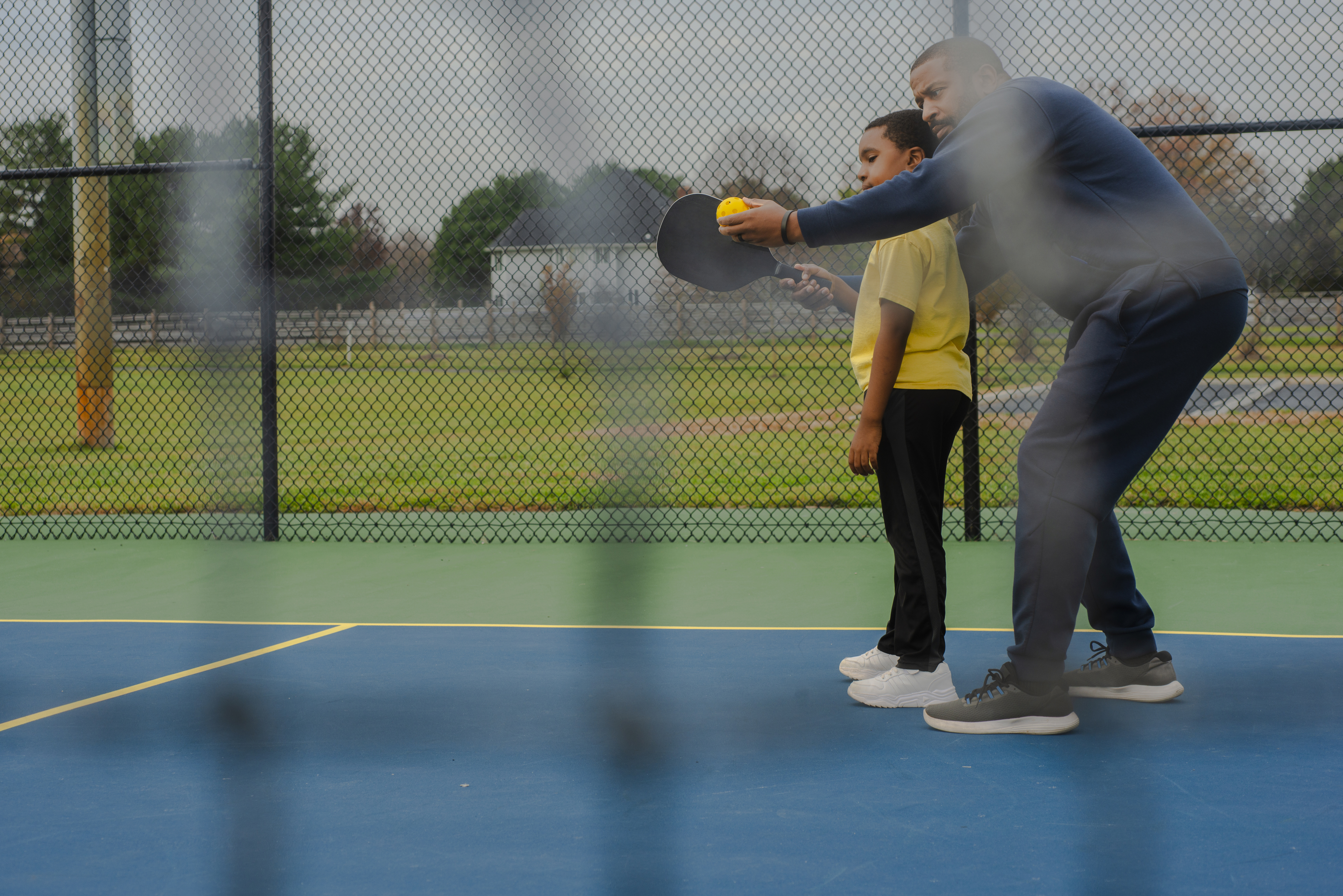
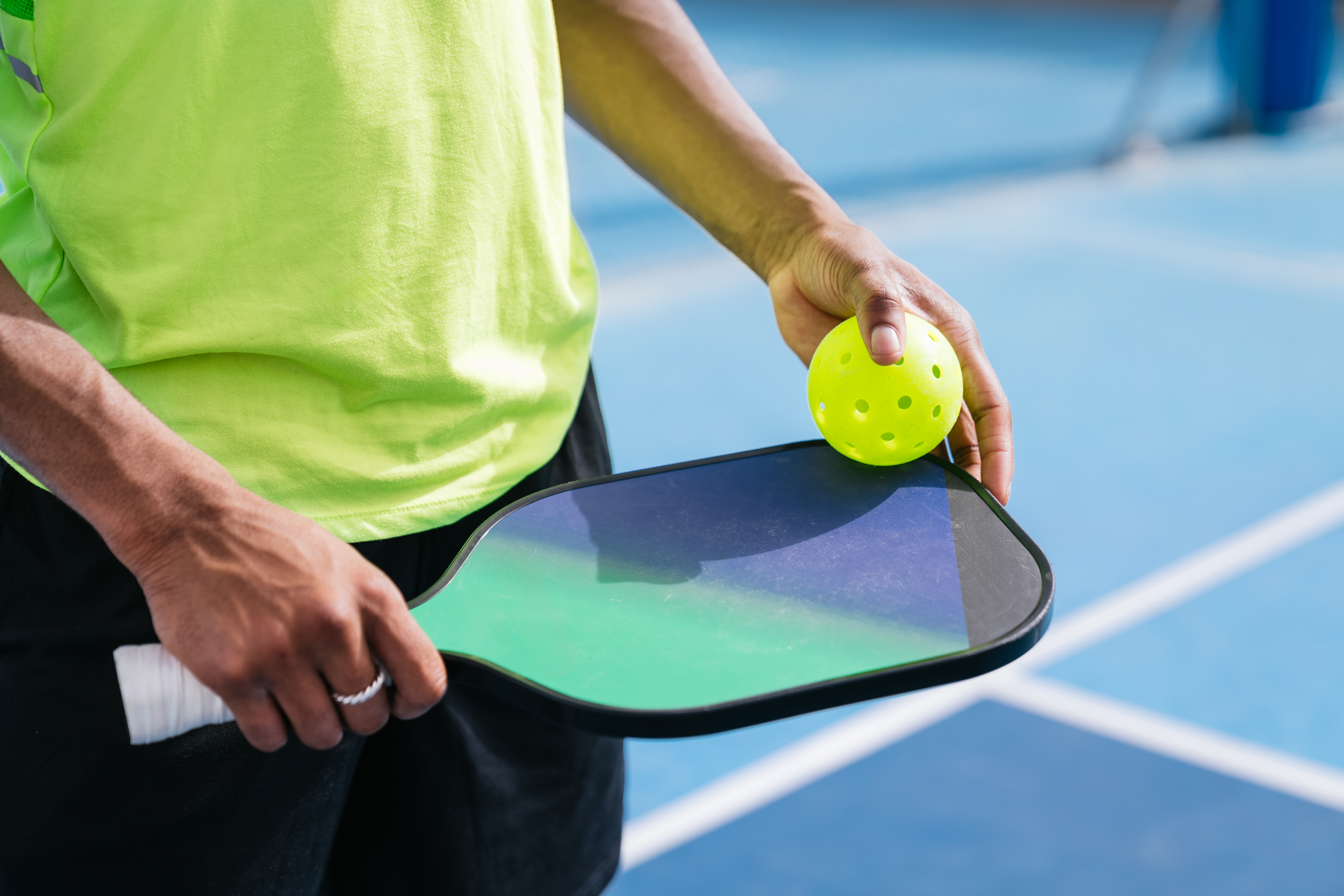
Slide your hand to the very bottom of the handle. This creates more wrist lag and lets you generate topspin without muscling the ball. Think of it as giving yourself a longer lever.
The stance
Square up to the net more than you would on a drive serve. Bend your knees — you’re going to need your legs for the upward brush.
The swing
Start low. Drop the paddle below your waist and swing upward, brushing under and through the ball. You want to feel like you’re scooping the ball toward the sky. The paddle face should be slightly open at contact but closing through the follow-through as your wrist rolls over.
The target
Aim for the last three feet of the service box. Not the last six feet — the last three. If the ball lands mid-court, congratulations, you’ve just served up a chest-high appetizer that your opponent will crush. Depth is everything.
The height
The ball should peak somewhere between ten and fifteen feet in the air. Higher than that and you lose control; lower than that and you lose the timing disruption that makes the serve work.
The spin
Topspin is non-negotiable. Without it, you’re just hitting a slow serve that sits up. With it, the ball kicks forward and up after the bounce, turning a returnable ball into an uncomfortable one.
When to Use It (and When Not To)
The lob serve is not an every-point weapon. Use it like hot sauce — strategically, not recklessly.
Use it when:
- Your opponent has been cheating forward on returns
- You’ve established a pattern of hard, flat serves and want to disrupt timing
- You’re playing into the wind (the wind actually helps push the ball deeper)
- Your opponent struggles with high backhands
- You need a free point and want to gamble on catching them off guard
Don’t use it when:
- Your opponent is already set up deep behind the baseline
- You’re playing someone who has seen it ten times already today and has adjusted
- The wind is at your back (it’ll sail long)
- You can’t consistently land it in the last three feet — a short lob serve is worse than no lob serve
The Counter: What to Do When You’re on the Receiving End
Because someone is going to hit this at you at open play next Tuesday, and you should be ready.
Step back. As soon as you read the high toss, take a step behind the baseline. Give yourself room to play the bounce rather than getting jammed.
Take it early if you can. If you read it quickly, step forward and take the ball on the rise before it kicks up. This neutralizes the topspin advantage. Jack Sock demonstrated this beautifully in a recent clinic — attacking the lob serve early takes away everything that makes it dangerous.
Aim deep. The serving team is banking on a weak, short return. Deny them that by sending a deep return to the baseline. You don’t need to do anything fancy — just get it past the kitchen and give yourself time to get to the net.
Don’t panic. The worst thing you can do is try to crush a high-bouncing ball. That’s how you send returns into the back fence. Keep your paddle out in front, stay compact, and redirect.
The Bigger Picture
The lob serve trend is part of a broader shift in competitive pickleball: the serve is no longer a throwaway shot. Between power drives, spin serves, and now lob serves, the return of serve has become one of the hardest shots in the game. The serving team has more tools than ever to start the point with an advantage, and the old “just get it in and rush the net” return philosophy isn’t cutting it anymore.
For rec players, this is great news. It means there’s a whole new dimension of the game you can develop without needing better hands or faster feet. You just need a paddle, a court, and the willingness to look a little silly while you figure out the arc.
Go float some moonballs. Your opponents will hate it. That’s how you know it’s working.